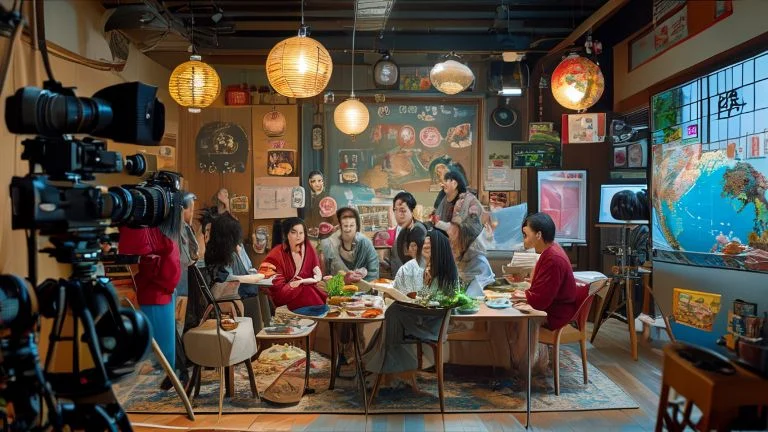
Mini doramas, a subset of the traditional Asian drama format, have surged in both production and popularity over recent years. These bite-sized storytelling experiences frequently range from a handful of episodes to around ten episodes, distinct from the longer, more drawn-out series typical of standard dramas. Fans find themselves increasingly drawn to these mini doramas, citing a blend of concise narratives, engaging characters, and cultural richness as major attractions. This comprehensive analysis delves into the various reasons behind such obsession, examining storytelling methods, character development, production advantages, viewer accessibility, and cultural appeal, presenting a detailed exploration of why mini doramas hold a special place in modern entertainment.
The first notable aspect contributing to the growing devotion among fans is the format’s brevity paired with narrative efficiency. Mini doramas precisely target essential story arcs without unnecessary filler, ensuring that every episode drives the plot forward with purpose. Traditional dramas can often span 16 to 50 episodes or more, leading to fluctuating pacing where some segments may feel dragged or redundant. Mini doramas, by contrast, compel writers and directors to distill their stories down to core emotions and conflicts. This condensation fosters an intense connection with the audience, as viewers do not expend time on slower developments but experience compact narratives that avoid fatigue and retain attention sharply throughout.
A practical example emerges from the acclaimed Japanese mini dorama "Midnight Diner: Tokyo Stories," wherein each 10-episode season explores discrete human stories centered around a small food establishment. Despite its brief format, the show delivers emotional depth and thematic variety without overstaying its welcome. This efficient use of screen time highlights how mini doramas enable impactful storytelling, creating immersive yet accessible content that respects viewers’ time constraints without sacrificing substance.
Beyond narrative efficiency, the compact length allows mini doramas to experiment with genres and non-conventional storylines. Without the pressure of long-run ratings or massive production expenses, creators often explore niche topics, complex social issues, or genre blends that might be deemed risky for larger series. This creative freedom leads to titles that feel fresh and innovative, attracting audiences seeking distinct voices in entertainment. Mini doramas tap into evolving viewer preferences for diverse representation and bold storytelling, which has become a significant driving force behind their cult followings.
From the production perspective, mini doramas hit a sweet spot regarding budget and resources. Because they require fewer filming days and less extensive sets, the production teams can allocate quality to specifics like cinematography, costuming, and authentic location choice, enhancing aesthetic standards relative to many longer-format series. Furthermore, their shorter run allows for a faster turnaround between script development, filming, and release, keeping pace with contemporary viewers’ rapid consumption habits.
To provide a clearer understanding of these advantages, consider the following table outlining key distinctions between mini doramas and traditional extended dramas:
| Aspect | Mini Doramas | Traditional Dramas |
|---|---|---|
| Episode Count | Typically 3-12 episodes | Usually 16-50+ episodes |
| Narrative Pacing | Fast, concise | Variable, slower at times |
| Production Cost | Lower to moderate | Higher due to scale |
| Storytelling Freedom | Higher - room for niche ideas | Less - must appeal broadly |
| Viewer Time Investment | Less, accessible | Greater commitment |
Fans appreciate that mini doramas respect their viewers’ time while delivering intricate stories, making them an efficient yet rich form of entertainment. The condensed format also means that binge-watching an entire mini dorama series is feasible within a shorter timeframe, which caters perfectly to busy modern lifestyles.
Character development in mini doramas offers another dimension worth highlighting. Despite their brevity, these shows often excel in portraying fully realized characters through careful scripting and focused arcs. Creators typically concentrate on a small core cast, enabling deeper psychological exploration and nuanced relationships. This approach forges stronger emotional connections between characters and audiences within the limited runtime. Unlike long-form dramas where character growth might be gradual and sometimes inconsistent, mini doramas often present a complete character journey with clarity and cohesion.
Take, for example, the Korean mini drama "Be Loved in House," which unfolds character relationships in layers over just a few episodes, allowing the audience to perceive growth, conflict, and resolution within an efficiently structured narrative. This focused investment in character rather than an extended ensemble cast appeals strongly to fans who prioritize emotional engagement as a key viewing factor.
Additionally, mini doramas frequently use relatable everyday situations mixed with cultural specifics that resonate personally with international and domestic audiences alike. Scenes often include culturally significant customs, food, social norms, and speech patterns that lend authenticity and a richer immersive experience. Many fans cite the satisfying cultural window these dramas provide as a compelling reason for their continued interest, often complementing their entertainment with personal language study or travel inspiration.
This cultural immersion aspect enhances a fan’s overall connection, as they enjoy not just a story, but a deeper understanding of the cultural context from which it emerges. Mini doramas become informal cultural ambassadors through storytelling, fostering curiosity and appreciation among global viewers.
Accessibility plays a vital role in the obsession as well. Streaming platforms have brought mini doramas to the forefront by increasing availability, often with subtitles in multiple languages. This ease of access breaks down previous language and regional barriers, allowing a worldwide audience to discover and enjoy these formats without waiting for traditional broadcast schedules or localized adaptations. Easily sharable content and social media buzz amplify fan discussions and recommendation cycles.
Because each mini dorama requires comparatively less time investment, new viewers are more willing to take chances on unfamiliar content or lesser-known actors. The risk of investing weeks or months in a long moldy drama dissipates, making mini doramas a gateway for viewers to experiment with genres or formats outside their typical preferences. This accessibility also promotes community formation, as small yet passionate fan groups coalesce around beloved titles, creating online forums, fan art, and subtitles groups that enrich the collective fan experience.
Fans also appreciate the focused emotional rhythms found in mini doramas. The balance between conflict and resolution often feels tightly calibrated. The narrative arcs bring swift escalation of stakes followed by timely catharsis that matches the shorter format. This efficiency often results in live reactions and continued engagement during viewing, as mini doramas are ideal for simultaneous group watching and real-time discussions, fueling fan enthusiasm and online dialogue.
The emotional engagement benefits further from frequent usage of relatable tropes presented in fresh ways. Romance, family tensions, personal struggles, and comedic misunderstandings are common themes but are often adapted within concise storytelling to avoid predictability and provide new takes. The familiar combined with innovation appeals to viewers by evoking empathy and humor within a fresh context.
Below is a list summarizing essential factors driving fan obsession with mini doramas:
- Compact narratives that respect viewer time
- High-quality production values within lesser budgets
- Deep, relatable character development
- Creative storytelling exploring niche themes
- Cultural authenticity and immersive settings
- Easy accessibility and global availability
- Engaging emotional pacing and fresh trope usage
- Community-building through shared interests and discussions
To understand genre trends and fan preferences within mini doramas, it is worth examining popular categories that tend to perform well. Romance mini doramas consistently top fan charts, largely due to their ability to deliver concentrated emotional arcs that climax satisfyingly in minimal episodes. Other genres gaining traction include slice-of-life, fantasy, and comedy, which often benefit from the lighter engagement commitment and quick story resolution.
Additionally, some mini doramas address social issues such as mental health, gender roles, and societal pressures. Tackling these topics briefly but impactfully allows creators to raise awareness and invite reflection without overwhelming viewers. This social relevance increases appeal among younger and more socially conscious audiences looking for entertainment that resonates with modern concerns.
An illustrative comparison table highlighting mini dorama genres and their fan appeal:
| Genre | Key Appeal | Typical Themes | Fan Base Characteristics |
|---|---|---|---|
| Romance | Emotional intensity, satisfying closure | Love confessions, misunderstandings, endings | Young adults, primarily female |
| Slice of Life | Relatability, everyday struggles | Friendship, family, work-life | Broader demographic, including older viewers |
| Fantasy | Escapism, imaginative settings | Magic, alternate worlds, myths | Teen to young adult, genre enthusiasts |
| Comedy | Light-hearted entertainment | Mistaken identity, situational humor | Wide age range, casual viewers |
| Social Issues | Awareness and engagement | Mental health, societal norms | Socially conscious viewers |
This variety ensures that mini doramas can cater to a diverse audience and sustain fan interest by constantly refreshing thematic content. The constraints of length demand that each episode or scene perform a dual function: advancing story and deepening the emotional undercurrents, which leads to tightly woven plotlines.
Exploring real-world fan behaviors reveals patterns related to how mini doramas integrate into lifestyle habits. Many viewers utilize mini dramas as palate cleansers between more intense series or lengthy movie marathons. Fans report that the shorter format offers a quick emotional hit or thoughtful pause in their entertainment diet. This auxiliary role enhances longevity and repeated rewatch value, as viewers can revisit favored mini drama moments easily without large time constraints.
Moreover, fan engagement extends beyond passive watching. High social media interaction, fan art sharing, and active participation in subtitle translation teams reflect a vibrant, invested community. In many cases, fans form subcultures around beloved mini doramas, exchanging theories, celebrating character developments, and even influencing sequel productions or spin-offs through petitions and feedback. This interactive environment strengthens the emotional bond between the audience and the series.
Mini doramas also offer opportunities for emerging talent to gain visibility. Because production budgets and commitment are lower, new actors, writers, and directors often experiment within this format. Fans typically appreciate discovering fresh faces and creative voices, which adds a dimension of excitement to following new projects and discovering hidden gems outside mainstream offerings.
Guidance for viewers interested in maximizing enjoyment of mini doramas includes several strategic tips:
- Choose series that match personal genre interests to ensure intrinsic motivation
- Watch with subtitles for deeper cultural and linguistic understanding
- Engage with fan communities online to explore diverse perspectives
- Use mini doramas as introductory points into broader Asian entertainment culture
- Alternate mini dorama viewing with longer series to maintain variety
The manageable episode count makes mini doramas ideal for viewers with fluctuating schedules, allowing them to maintain consistent entertainment without disruption.
Considering the expanding global market for Asian content, production companies are increasingly prioritizing mini doramas in their portfolios. This strategic shift recognizes the format’s potential to reach international viewers via digital platforms swiftly and cost-effectively. In turn, this fosters industry innovation as creators respond to global feedback and experiment within shorter episodic constraints.
Statistical analyses support the surge in mini dorama consumption. Data from streaming platforms indicate year-on-year increases exceeding 20% in viewer hours dedicated to mini-format Asian dramas in key markets such as North America and Europe. Additionally, sentiment analysis from social media captures shows overwhelmingly positive fan reception correlating strongly to narrative tightness and production value in mini doramas versus longer dramas.
To provide more clarity, here’s a breakdown of viewer preference indicators based on recent streaming data:
| Metric | Mini Doramas | Traditional Dramas |
|---|---|---|
| Average Completion Rate | 85% | 62% |
| Viewer Retention Across Seasons | 78% | 57% |
| Social Media Positive Sentiment | 82% | 65% |
| Recommendation Likelihood | 75% | 58% |
The high completion and retention rates underscore fans’ commitment and satisfaction with the mini dorama experience. These numbers reflect the value placed on structurally compact, emotionally compelling narratives that reward viewers efficiently.
Production cycles for mini doramas also offer agility in responding to audience feedback, enabling faster creative adjustments between seasons or episodes. This flexibility enhances fan trust and deepens the bond between production teams and viewers, reinforcing long-term franchise potential.
Another essential dimension is how mini doramas intersect with modern cultural consumption patterns, particularly among younger demographics accustomed to quick content on social media platforms. Mini doramas, by virtue of their short structure, mirror the bite-sized, high-impact viewer expectations popularized by platforms like TikTok and Instagram reels. This synergy facilitates bridging traditional storytelling with contemporary content trends, engaging audiences who might otherwise favor shorter, less narrative-driven video content.
The textual and visual storytelling utilizes compact scenes with rich subtext, maximizing viewer cognitive and emotional absorption without demanding extended time commitment. This technique aligns well with the evolving preferences for content swift enough to fit modern schedules but impactful enough to leave lasting impressions upon completion.
Fan obsession with mini doramas also connects to the exploration of nuanced social dynamics often glossed over in more protracted series. Mini doramas distill relationship complexities, personal dilemmas, and societal pressures into digestible arcs, allowing contemplation without overwhelm. This precision songwriting can make stories feel more authentic and directly relevant.
Moreover, mini doramas often employ subtle symbolism and thematic layering that reward attentive viewers. The shorter episode count intensifies scrutiny of every moment, which fans enjoy dissecting through online discourse. This participatory culture of analysis and theorizing makes watching a more interactive experience than passive consumption.
Complementing this, mini doramas have broadened their appeal internationally by adopting universal themes—love, ambition, regret—rendered through culturally specific lenses. This dual accessibility fosters cross-cultural empathy and expands fan bases beyond origin countries. As a result, mini doramas have become conduits for soft cultural diplomacy, stimulating curiosity about Asian cultures while providing relatable human stories.
Analyzing popular mini doramas such as Taiwan’s "Light the Night," Korea’s "Work Later, Drink Now," or Japan’s "Switched," one observes different approaches to tone, pacing, and character focus, yet all succeed due to the strategic use of their compact runtime. Comparative critiques show that the mini dorama format encourages experimental storytelling, creating spaces where distinct directorial signatures and innovative narrative devices flourish.
Considering technological factors, enhancements in streaming technology with adaptive bandwidth and multi-device compatibility have made mini doramas highly accessible. Viewers can engage on phones, tablets, or smart TVs anytime, making the consumption of mini doramas flexible and suitable for on-the-go lifestyles.
This convenience contributes directly to fan obsession by integrating entertainment seamlessly into daily life rather than requiring dedicated viewing hours in fixed locations. The micro-episodic structure of mini doramas compliments commuting times, breaks, or relaxed evening sessions, broadening their role as leisure facilitators.
Finally, the mini dorama’s capacity for fostering fan creativity cannot be understated. Smaller runs generate intense creative fan engagement through alternative endings, fan fiction, and collaborative online projects. These acts extend the life cycle of the mini dorama far beyond the screen, embedding the show’s influence into fan culture and media ecosystems. By empowering audiences to become active participants rather than passive consumers, mini doramas contribute to a sustained fandom vitality more challenging for longer-series to maintain consistently. Mini doramas are shorter series, typically spanning 3 to 12 episodes, focusing on concise and direct storytelling with a fast narrative pace, compared to traditional dramas that often have 16 to 50 or more episodes featuring longer story arcs and variable pacing. Fans appreciate mini doramas because they provide emotionally rich and complete narratives within a limited timeframe, reducing filler content and allowing deeper character development and creative storytelling without demanding excessive time commitment. Due to their shorter production scale and flexibility, mini doramas can explore niche genres, social issues, and experimental plots that might not be feasible in longer series, catering to a wide range of viewer interests and encouraging innovative storytelling. With fewer episodes and lower budgets, production teams can focus resources on high-quality cinematography, authentic locations, and detailed costuming, resulting in visually appealing series that rival longer formats in craftsmanship. Streaming platforms have greatly increased accessibility to mini doramas worldwide through multi-language subtitles and on-demand viewing, enabling global audiences to discover and engage with these compact dramas conveniently across devices. Yes, their short length and diverse themes make mini doramas an excellent entry point for newcomers, allowing for manageable viewing commitments and exposure to various cultural narratives without overwhelming duration. Often yes; the concise format encourages focused discussion, fan art creation, and active participation such as subtitle translation and theory crafting, generating tight-knit and passionate fan bases.FAQ - Why Fans Are Obsessed with These Mini Doramas Reviewed
What distinguishes mini doramas from traditional long-form dramas?
Why do fans prefer mini doramas despite their brief length?
How do mini doramas accommodate diverse genres and themes?
What role does production quality play in the appeal of mini doramas?
How has streaming technology affected the popularity of mini doramas?
Are mini doramas suitable for new viewers unfamiliar with Asian dramas?
Do mini doramas foster more intense fan communities compared to longer dramas?
Fans are drawn to mini doramas because they offer concise, emotionally rich stories with strong character development and cultural depth, all within a manageable time frame. Their accessibility through streaming and innovative storytelling makes them a preferred choice for viewers seeking quality narratives without the commitment of traditional long-form dramas.
Mini doramas have cultivated a devoted following by delivering tightly woven narratives, deep character exploration, and culturally authentic content within an accessible and efficient format. Their strategic brevity encourages creative risks, high production standards within manageable budgets, and resonates with contemporary viewing habits favoring concise, impactful storytelling. Fans’ obsession stems from a blend of emotional engagement, cultural connection, and community participation fostered by these compact dramas, which continue to redefine audience expectations and industry approaches in global entertainment.
