The Anatomy of a Memorable K-Drama Snapshot Scene
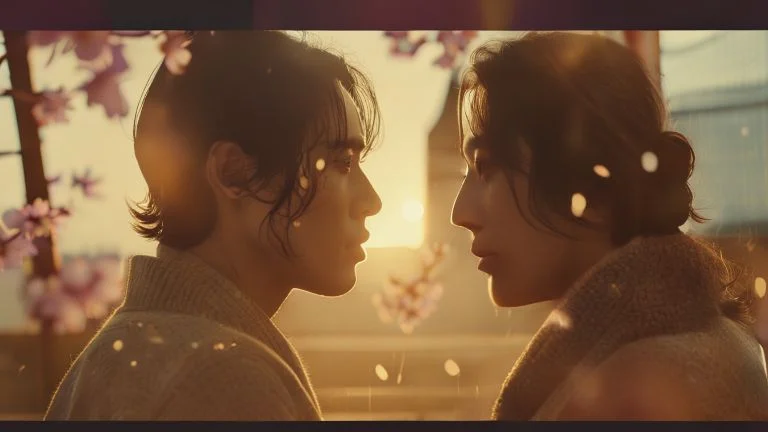
In the expansive tapestry of Korean dramas, snapshot scenes—brief yet visually arresting moments—play a pivotal role in cementing a story's emotional core. These scenes often emerge unexpectedly, capturing the essence of a character’s internal transformation, a turning point in the relationship dynamics, or a poignant thematic message conveyed through pure visual storytelling. Unlike extended sequences laden with dialogue and exposition, snapshot scenes distill complex emotions and narrative shifts into compact, evocative imagery that resonates profoundly with viewers. This intrinsic power stems from meticulous directorial choices, cinematographic techniques, and carefully orchestrated performances by actors. To dissect the secrets behind these unforgettable shots, one must delve into various creative elements that synchronize seamlessly to craft moments etched into cultural memory.
Primarily, lighting stands as a paramount element influencing the tone and emotional depth of a snapshot scene. Whether using natural daylight to evoke authenticity and a sense of fleeting beauty or employing chiaroscuro effects for dramatic intensity, light shapes how audiences interpret the mood. Directors often harness the symbolism behind various lighting conditions: dawn light to represent hope and renewal; twilight hues for melancholy and uncertainty; and stark artificial lights to highlight conflict or tension. This visual metaphor extends beyond illumination intensity into color temperature as well, where warmer tones can create intimacy, and cooler palettes enhance isolation or despair. A famous example appears in the drama "Goblin," where golden backlighting surrounds characters during moments of revelation, underscoring the magical realism inherent in the storyline.
Beyond lighting, composition and framing govern how the viewer’s eye navigates a snapshot scene, guiding focus to details that matter most. Directors employ techniques like the rule of thirds, leading lines, and strategic depth of field to isolate characters or objects, allowing subtle visual cues to emerge. Close-ups intensify emotional immediacy, revealing microexpressions that dialogue cannot fully communicate, such as glimmers of vulnerability or hesitation. Conversely, wide shots positioned to contrast characters against expansive, empty spaces impel feelings of loneliness or existential contemplation. The decision to place characters asymmetrically versus centered can further suggest imbalance or harmony within the narrative. An illustrative moment is found in "Crash Landing on You," where the protagonist’s distant gaze, framed off-center against a muted background, embodies longing and disconnection.
The color grading palette, an often underestimated factor, dramatically influences how snapshot scenes register with audiences. A deliberate monochrome shift or desaturated tones can evoke nostalgia or emphasize emotional voids, while vibrant colors often signal vitality and connection. Many K-Dramas use soft pastels in romantic contexts to create a dreamlike atmosphere, elevating the sentimentality of the snapshot. These chromatic decisions are not arbitrary but are carefully chosen to complement the story arc and emotional trajectory of the characters at a specific point, enhancing viewer empathy.
Emotional Weight Carried by Performance Nuances
Actors’ nuanced expressions and body language imbue snapshot scenes with palpable emotional weight. Minute details such as a lingering glance, a subtle smile, or a faltering breath can serve as pivotal conveyors of subtext. In K-Dramas, where melodrama can risk bordering on overexpression, the art of restraint within snapshot scenes accentuates sincerity and realism. The best moments stem from restrained performances where internal turmoil or joy is hinted rather than overtly stated, inviting viewers to become emotional detectives themselves.
For instance, in the drama "It's Okay to Not Be Okay," the lead character’s small gestures—tightening of fists, fleeting eye contact—express suppressed pain and longing, enriching the scene’s poignancy without dialogue. Such performances require intimate collaboration between actors and directors to calibrate timing and facial focus, ensuring the subtleties are not lost in the shot’s brevity. Additionally, wardrobe and makeup play supportive roles, framing facial expressions and influencing perceived vulnerability or strength. The synergy of these factors crafts moments capable of sparking deep emotional responses and long-term viewer attachment to characters.
Interpersonal chemistry is another powerful ingredient. Snapshot scenes depicting glances exchanged between leads or a brief, hesitant touch can ignite narrative momentum and audience anticipation. These fleeting touches carry considerable symbolic meaning, often representing unspoken feelings or moments of tentative connection. The effectiveness relies on naturalistic portrayals that avoid artificial or exaggerated dramatics, allowing underlying tension and hope to breathe authentically within the frame.
The Role of Sound and Silence
Korean dramas excel in manipulating soundscapes to amplify emotional impact within snapshot scenes. The use of restrained background scores, ambient noise, or profound silence crafts an aural environment that heightens visual storytelling. Soft instrumental tracks, often piano or string-based, provide an emotional undercurrent, subtly mirroring the scene’s mood. Notably, moments of near silence, interrupted only by character breath or heartbeats, intensify intimacy and focus attention on the visual narrative.
Sound editing also effectively employs diegetic noises such as raindrops, footsteps, or whispered breaths, layering sensory realism that immerses the audience deeply within the scene’s world. For example, the sound of falling snow or the crackling of a fire in the background can metaphorically enhance themes of coldness versus warmth, isolation versus connection. Sound design choices are frequently synchronized with the visual composition, yielding a multisensory experience that lingers well beyond the screen.
The balance between sound and silence informs pacing as well. Strategic pauses within these snapshot scenes create breathing space for viewers to process emotion, turning moments into meditative pauses that accentuate narrative significance. Such deliberate pacing contrasts with the typically fast-moving plotlines of K-Dramas, highlighting snapshot scenes as emotional keystones.
Integration of Cultural Symbolism
K-Dramas often embed cultural symbols within snapshot scenes, deepening contextual meaning. Traditional motifs, seasonal imagery, and social customs intensify narrative layers. For example, cherry blossoms in bloom commonly signify transient beauty, new beginnings, or delicate romance. Their fleeting presence in snapshot scenes evokes bittersweet emotions tied to ephemerality and nostalgia. Similarly, scenes situated around significant Korean holidays, like Chuseok or Lunar New Year, carry cultural resonance, enriching viewers' understanding of interpersonal dynamics within the drama’s societal context.
Elements like hanbok (traditional clothing), Korean architectural styles, and customary food items also contribute visual cues that ground snapshot scenes within distinct cultural landscapes. This contextual embedding broadens the appeal, inviting both native and international audiences to explore the symbolic weight carried by these seemingly small details. Moreover, the juxtaposition of modern and traditional elements within scenes often reflects character conflicts or thematic dualities, rendered visually powerful in snapshot moments.
Table 1 below summarizes common cultural symbols encountered in K-Drama snapshot scenes and their typical narrative significances:
| Symbol | Narrative Significance | Typical Emotional Tone |
|---|---|---|
| Cherry Blossoms | Ephemerality, romantic renewal | Bittersweet, hopeful |
| Hanbok | Tradition, identity, respect | Respectful, nostalgic |
| Rain | Renewal, cleansing, melancholy | Reflective, somber |
| Snow | Purity, isolation, peacefulness | Calm, lonely |
| Lanterns | Guidance, wishes, remembrance | Yearning, solemn |
| Tea Ceremonies | Connection, meditation, politeness | Tranquil, bonding |
Directorial Techniques and Visual Storytelling
Directors steer the creative vessel that transforms words on a script into evocative snapshot scenes. Mastery over visual grammar and filmic language empowers them to evoke layered meanings beneath the immediate imagery. Among several techniques, the use of slow-motion magnifies emotional resonance by elongating time, allowing audiences to absorb facial expressions, subtle movements, and ambient details otherwise passing too quickly. This technique can convert mundane actions into profound symbolic gestures.
Another method involves deliberate camera movement or stillness. Static shots evoke contemplation and emotional gravity, permitting uninterrupted focus on the characters and milieu. Conversely, gentle tracking or panning can suggest the fluidity of memory or the unfolding of a thought process. Innovative directors occasionally employ unconventional angles to visually suggest psychological states. For instance, a slight Dutch tilt may indicate disorientation or instability, subtly influencing audience perception in mere seconds.
Lighting techniques such as rim lighting can create ethereal halos around characters, elevating them to almost mythical status in snapshot scenes. Reflection and mirroring are also common motifs, where characters are framed through windows or mirrors, representing dualities or internal conflict. The interweaving of natural elements—such as fluttering leaves or rippling water—provides kinetic texture, enhancing visual interest while reinforcing themes of change or emotion.
Lists of common directorial tactics used to craft memorable snapshot scenes:
- Slow-motion sequences to emphasize emotional beats.
- Close-up framing to reveal microexpressions.
- Dynamic but subtle camera movement for mood shifts.
- Symbolic use of reflections and shadows.
- Color contrasts to highlight narrative tension.
- Use of environmental details for subtext.
- Manipulation of space to express isolation or connection.
Technical Craftsmanship: Cinematography, Lighting, and Editing
While directorial vision sets the blueprint, the craftsmanship of cinematographers, lighting technicians, and editors spells the success of a snapshot scene. Cinematographers deploy lenses and filters that influence texture and sharpness, adjusting focus and depth to draw viewer attention. Choices such as shallow focus isolate the subject from the background, emphasizing personal struggle or intimacy. Wide aperture lenses can generate a soft bokeh effect, breaking distracting details into aesthetic blurs, lending a dreamlike quality ideal for romantic or nostalgic scenes.
Lighting technicians collaborate closely with cinematographers to design light patterns that complement and reinforce emotional content. Gradual shifts in lighting intensity within a single shot can mirror evolving moods or realizations. For instance, slowly dimming light might mark a character’s descent into despair, while a sudden flare can symbolize revelation or hope.
Editing techniques further refine timing and rhythm, crucial in snapshot scenes that rely on precise pacing. Editors decide the exact frame to cut or hold, sometimes extending a pause on a character’s face to allow silent resonance. Additionally, juxtaposing snapshot scenes with preceding or succeeding sequences shapes narrative flow, enabling contrast or reinforcement of themes. Cross-cutting between two characters’ simultaneous emotional states within snapshot frames enhances empathy and tension.
Below is a table contrasting key technical elements and their emotional or narrative effects in K-Drama snapshot scenes:
| Technical Element | Function | Emotional/ Narrative Impact |
|---|---|---|
| Cinematography - Lens Choice | Controls depth of field, focus sharpness | Isolation, intimacy, dreaminess |
| Lighting - Intensity & Color | Sets tone and symbolism | Hope, despair, romance, tension |
| Editing - Pace & Cut Timing | Regulates emotional absorption | Suspense, clarity, resonance |
| Camera Movement | Suggests psychological state or passage of time | Uncertainty, fluidity, tension |
Examples of Iconic K-Drama Snapshot Scenes and Their Breakdown
Analyzing specific, well-known examples reveals how each element converges to create memorable moments. One such scene from "Descendants of the Sun" captures the protagonists' first meaningful eye contact across a battlefield. The lighting is subdued, casting soft shadows that invoke intimacy amid chaos. The framing isolates them against blurred background soldiers, while subtle ambient sounds heighten tension. The actors’ expressions convey restrained vulnerability, hinting at the budding romance despite the dire circumstances. The slow zoom-in and the faint background score amplify the emotional charge.
In "My Love from the Star," a snapshot scene where the alien protagonist watches the heroine from afar, the color grading employs cool, muted blues underscoring his isolation and otherworldliness. The framing places him on the edge of the frame, visually manifesting his outsider status. The editing prolongs the gaze just enough for viewers to feel his internal conflict—longing tempered by emotional restraint. These directorial and technical choices engage the audience profoundly, rendering the brief moment unforgettable.
Another example is from "Hotel Del Luna," where the lead character’s solitary moment in the moonlit garden uses extensive chiaroscuro lighting to highlight the duality of her existence between life and death. Her expression, a mix of sorrow and defiance, occupies a tight close-up, while gentle wind stirs cherry blossoms, adding symbolic weight. The scene’s silence, broken only by the subtle rustle of petals, invites immersive reflection, becoming emblematic of the show’s thematic heart.
Step-by-Step Guide to Creating a Compelling K-Drama Snapshot Scene
For filmmakers or enthusiasts aspiring to reproduce the impact of these scenes, understanding the practical workflow filters the complexity into actionable steps. Below is a detailed guide outlining the process.
- Conceptualization: Identify the specific emotional or narrative moment to encapsulate. Consider what the scene must convey without dialogue and how it fits within the overall plot.
- Symbolism Integration: Research appropriate cultural or thematic symbols to subtly include. Objects, colors, or environmental elements can enhance narrative layers.
- Lighting Design: Collaborate with the lighting team to develop a scheme that reflects the chosen mood, using intensity, direction, and color temperature carefully.
- Framing and Composition: Decide on camera angles, focusing techniques, and framing rules. Plan whether to use close-ups, wide shots, or a combination to best tell the story visually.
- Actor Direction: Guide actors toward restrained, meaningful expressions and gestures that communicate internal states. Emphasize microexpressions and physical subtleties.
- Sound Planning: Determine if there will be a musical score, ambient noises, or silence. Incorporate sound elements that amplify the visual mood and pace.
- Technical Preparation: Select lenses, filters, and camera equipment suitable for desired effects. Conduct test shots to verify appearance and tone.
- Shooting Execution: Film multiple takes with varied pacing or emotional intensity. Monitor footage closely to ensure the intended atmosphere is captured.
- Post-Production: Edit with attention to timing, pacing, and transitions. Apply color grading and sound mixing to enhance mood cohesiveness.
- Review and Refine: Screen the scene internally for emotional impact and clarity. Make adjustments as necessary to polish the final output.
The Psychological Impact of K-Drama Snapshot Scenes on Audiences
The psychological potency of snapshot scenes lies in their ability to evoke empathy and emotional reflection in minimal time. Cognitive linguistics explains that humans process visual stimuli rapidly, assigning meaning from facial cues, colors, and context almost instantaneously. K-Drama snapshot scenes exploit this by designing imagery that resonates on subconscious emotional levels, triggering memory recall or deep feelings.
Empirical studies on media consumption reveal that scenes emphasizing nonverbal cues effectively activate mirror neurons, which are associated with the internalization of emotion and social understanding. This neurological process partly explains why viewers experience profound emotional responses during these seconds-long scenes. Further, the episodic nature of K-Dramas encourages viewer attachment to characters, compounding the impact of isolated snapshot moments as milestones in the audience’s emotional journey.
Moreover, the cultural exportation of these scenes fosters cross-cultural empathy and curiosity, contributing to the global spread of Korean pop culture. Viewers outside Korea often experience fascination blending with emotional recognition, bridging cultural divides through universal human experiences distilled into snapshot scenes.
Summary Table of Key Elements in Memorable K-Drama Snapshot Scenes
| Element | Role/Function | Examples/ Effects |
|---|---|---|
| Lighting | Mood setting, thematic symbolism | Dramatic shadows, golden hour backlighting |
| Composition | Focus guidance, emotional framing | Close-ups for intimacy, wide shots for loneliness |
| Color Grading | Emotional tone, atmosphere | Soft pastels for romance, desaturation for nostalgia |
| Acting Nuance | Express subtle emotions | Microexpressions, body language |
| Sound Design | Amplify atmosphere, emotional resonance | Silence, ambient noise, soft music |
| Cultural Symbols | Contextual depth, thematic layers | Cherry blossoms, hanbok |
| Directorial Choices | Visual storytelling technique | Slow-motion, framing angles |
| Editing | Pacing, emotional absorption | Prolonged pauses, cross-cutting |
Expanding the Genre: Contemporary Trends and Innovations in K-Drama Snapshot Scenes
Recent K-Dramas demonstrate evolving practices elevating snapshot scenes beyond traditional parameters. The blending of cinematic styles derived from Western cinema, art-house influences, and digital aesthetics have enriched visual vocabulary. Directors experiment with nonlinear narrative framing—embedding snapshot scenes within flashbacks or dream sequences—to enhance complexity and viewer engagement. Moreover, advances in CGI allow seamless integration of surreal or fantastical elements into what would otherwise be grounded scenes, amplifying symbolic resonance without overwhelming realism.
Another innovation includes interactive storytelling formats emerging on digital platforms, where snapshot scenes can respond differently depending on viewer choices or platform capabilities. This interactivity intensifies personal connection, making the emotional weight of snapshot scenes customizable and individually impactful.
Furthermore, rising focus on diversity and inclusion within storytelling is reflected visually. Snapshot scenes now increasingly feature varied cultural backgrounds, gender expressions, and social narratives, allowing a broader spectrum of viewer identification and emotional exploration. These shifts signal ongoing vitality and responsiveness of the K-Drama industry to global audiences and changing social landscapes, ensuring the longevity and evolution of snapshot scenes’ emotional relevance.
The consistent thread amidst these changes is the unwavering commitment to distilled emotional storytelling—compact moments that speak volumes precisely because they rely on an intricate dance of visual, auditory, and performative artistry. The secrets behind memorable K-Drama snapshot scenes remain rooted in this core pursuit, mastered through refined cinematic craftsmanship and cultural insight. K-Drama snapshot scenes carefully combine visual composition, lighting, actor subtlety, sound design, and cultural symbolism to convey deep emotions in a concise manner. Their deliberate pacing and nuanced performances invite viewers to feel complex feelings swiftly, often without dialogue, leveraging microexpressions and symbolic imagery. Lighting sets the emotional tone by shaping atmosphere and symbolism. Soft natural light can evoke intimacy or hope, while shadows and color temperature manipulate feelings of tension or melancholy. Directors strategically employ lighting techniques to visually communicate the internal state of characters and the narrative mood. Cultural symbols ground the emotional moment within Korean traditions and social context, adding layers of meaning beyond the literal. Objects like cherry blossoms or elements like traditional clothing enrich narrative depth, connecting characters' experiences to broader cultural themes familiar to domestic and international audiences. Directors manipulate camera angles, framing, and movement to focus the viewer’s attention and suggest psychological states. Techniques like slow-motion, close-ups, and asymmetric composition help highlight emotional subtext, making brief scenes feel more immersive and significant. Sound enhances the sensory experience by using minimalistic scores, ambient noises, or silence to complement visuals. These choices intensify emotional resonance, creating a layered atmosphere that heightens tension, intimacy, or contemplation within the short scene.FAQ - Secrets Behind Memorable K-Drama Snapshot Scenes
What makes K-Drama snapshot scenes so emotionally impactful despite their brevity?
How does lighting influence the mood of a K-Drama snapshot scene?
Why are cultural symbols important in K-Drama snapshot scenes?
In what ways do directors use camera work to enhance snapshot scenes?
How does sound contribute to the effectiveness of snapshot scenes?
Memorable K-Drama snapshot scenes achieve profound emotional impact through precise lighting, subtle acting, cultural symbolism, and sound design. These concise visual moments distill complex narratives, engaging viewers deeply and elevating emotional resonance, underscoring their vital role in Korean drama storytelling.
Memorable K-Drama snapshot scenes encapsulate complex emotional narratives within succinct, beautifully crafted moments. They stand as microcosms of storytelling brilliance, where lighting, nuanced acting, cultural symbolism, sound design, and directorial expertise converge. Understanding these secrets reveals how minimal visual storytelling maintains profound emotional engagement, contributing to the enduring appeal and cultural impact of Korean dramas worldwide.