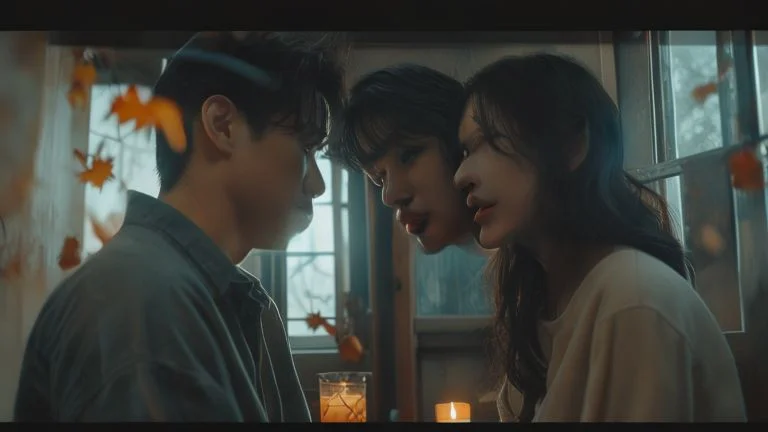
Korean dramas, popularly known as K-Dramas, have captured global audiences with their intricate storytelling and emotionally rich narratives. A fundamental tool in this storytelling arsenal is the use of snapshots—carefully chosen, visually striking moments within the series—that capture complex relationships and emotions between characters. These snapshots are not mere pauses or filler scenes; they act as a narrative device that compacts emotional depth, reveals unspoken tensions, and encapsulates the progression or regression in relationships with subtlety and nuance.
Exploring how K-Drama snapshots portray complex relationships involves understanding various layers, including visual composition, contextual framing, symbolic elements, and character dynamics. This in-depth analysis takes a multifaceted approach to these elements, demonstrating how snapshots communicate meaning beyond dialogue and conventional scriptwriting, and how they invite viewers into a deeper emotional and psychological engagement with the characters and their connections.
Visual Composition as a Reflection of Emotional States
Snapshots in K-Dramas often utilize visual composition techniques to mirror the internal emotional landscapes of characters and their relationships. Directors and cinematographers meticulously design these scenes with precise framing, color grading, and lighting to amplify subtleties in interactions.
For instance, the use of close-up shots captures minute facial expressions—slight glances, trembling lips, or flickering eyes—that communicate hesitation, longing, or inner conflict. Mid-shots or over-the-shoulder angles are frequently employed to visually represent the emotional distance or closeness between characters, signaling intimacy or estrangement without explicit exposition. The background elements and props further reinforce narrative themes: rain may symbolize sadness or cleansing, while confined spaces may evoke suffocation or entrapment in relational dynamics.
A practical example is seen in the K-Drama "It's Okay to Not Be Okay," where scenes portraying main characters Moon Gang-tae and Ko Mun-yeong utilize tight framing and dim lighting during vulnerable exchanges. Their snapshots reveal layers of trauma, protection, and affection through visual cues, accentuating the fragility and complexity of their bond.
Contextual Framing and Story Progression Through Snapshots
Snapshots do not exist in a vacuum; their significance elevates when viewed in the context of the narrative arc. They often act as pivotal moments that mark turning points in relationships or internal character transformations.
These frames are strategically positioned to juxtapose characters' expressions against the storyline, providing viewers with visual anchors that deepen emotional resonance. For example, a seemingly ordinary scene such as a character handing a gift or stepping closer might symbolize trust-building or vulnerability in a previously strained relationship.
K-Dramas frequently use flashbacks or parallel editing within snapshot sequences to intertwine past grievances with present interactions, layering timelines to showcase how unresolved emotions influence current connections. This methodology enhances the perception of relationships as evolving entities rather than static constructs.
Such usage invites audiences to engage actively in reading between the lines, interpreting subtext and gestures that reveal hidden emotions or intentions. The subtlety in these presentations often makes K-Dramas appealing to a wide demographic, resonating with viewers who appreciate complexities in human relationships.
Symbolism and Visual Metaphors Embedded in Snapshots
Symbolism is integral to K-Drama snapshots, as they embed metaphors that extend meaning beyond the immediate scene. Colors, objects, weather, and character positions serve as allegories for emotional states and relational dynamics.
Colors play a significant role; red might symbolize passion, danger, or unresolved anger, whereas blue can communicate calmness, sadness, or distance. In the popular drama "Goblin," the recurring motif of autumn leaves falling parallels characters’ experiences with loss and the impermanence of relationships. Similarly, objects like locked doors, broken glasses, or shared meals are deliberately included to underline themes of separation, shattered trust, or budding connectivity.
Another example is from "Crash Landing on You," where snapshots of characters sharing silences amidst nature or engaging in simple gestures such as adjusting a scarf symbolize their growing acceptance and unspoken affection. These metaphoric elements require attentive viewership to decode, enriching the storytelling through layered interpretation.
Character Interactions and Nonverbal Communication
K-Drama snapshots excel in illustrating nonverbal communication, a critical component in portraying complex relationships. Facial microexpressions, body language, and spatial positioning between characters visually narrate unspoken feelings, conflicts, or reconciliations.
Scenes showing a character withdrawing their hand when another attempts to connect, or lingering eye contact with subtle smiles, create powerful emotional undercurrents. These interactions, often devoid of dialogue, invite viewers to sense the psychological states of characters and their relational tensions.
Furthermore, the contrast in gestures—such as one character maintaining an open posture while another remains closed off—illustrates dynamics such as imbalance in trust or affection. The deliberate pacing and duration of these snapshots allow for contemplation rather than hurried narrative advancement, making every gesture weightier.
A Step-by-Step Guide to Interpreting K-Drama Snapshots
To appreciate the depth of K-Drama snapshots, viewers can approach them methodically by examining several layers systematically:
- Observe Visual Elements: Note the framing, lighting, color tones, and positioning of characters.
- Identify Symbolic Objects or Settings: Recognize recurring symbols such as weather patterns, props, or backgrounds that carry metaphorical meaning.
- Analyze Facial Expressions and Body Language: Note subtle expressions and physical gestures that reveal emotional states.
- Consider Narrative Context: Link the snapshot to preceding and following scenes to understand emotional progression.
- Reflect on Dialogue and Silence: Contrast spoken words with what is visually communicated, including moments of silence.
- Interrelate Multiple Snapshots: Compare different snapshots across episodes or narratively significant arcs for deeper insight.
This approach transforms passive watching into an active interpretive experience, enhancing appreciation of complex storytelling in K-Dramas.
The Role of Cultural Nuances in Portraying Relationships
Cultural context is crucial in understanding how K-Drama snapshots depict intricate relationships. South Korean social norms, Confucian values, and interpersonal etiquette heavily influence character behavior and visual storytelling.
For example, the concept of "jeong" (deep affection and emotional connection built over time) influences how relationships are portrayed with gradual development and subtle expressions rather than overt declarations. Snapshots frequently illustrate restrained emotions consistent with Korean cultural tendencies, presenting tension and affection through nuanced gestures rather than explicit dialogue.
Additionally, hierarchy and respect embedded in Korean society affect relational dynamics, evident in the way characters interact with elders, colleagues, or romantic interests. Snapshots portraying bowing, shared meals, or indirect eye contact highlight these cultural layers.
Understanding these nuances is essential for global audiences to grasp the emotional subtleties and interpretations embedded in the snapshots, thereby enriching cross-cultural appreciation.
Comparative Table: Visual Techniques and Their Emotional Effects in K-Drama Snapshots
| Visual Technique | Description | Emotional Effect |
|---|---|---|
| Close-Up Shots | Focus on characters’ faces emphasizing minute expressions | Reveals vulnerability, internal conflict, intimacy |
| Wide Shots with Distance | Characters appear physically separated within frame | Conveys emotional distance, isolation, tension |
| Soft Lighting | Subdued, warm lighting around characters | Suggests warmth, affection, tenderness |
| Harsh or Low-Key Lighting | Strong shadows, contrasts | Imparts tension, secrecy, unresolved problems |
| Symbolic Props | Objects like flowers, letters, food | Represents relationship stages, sentiments |
| Color Grading | Dominant use of specific hues (blue, red) | Colors symbolize mood, passion, sadness |
List of Key Elements That Make K-Drama Snapshots Effective in Portraying Complex Relationships
- Subtextual Visual Cues: Nonverbal indicators that convey underlying emotions.
- Contextual Placement: Strategic scene positioning tied to narrative arcs.
- Symbolism and Metaphors: Use of color, objects, and environment to add layers of meaning.
- Fragmented Timelines: Flashbacks and parallel editing to reveal relationship history.
- Cultural Significance: Inclusion of Korean social norms and values.
- Character Dynamics: Portrayal of power, vulnerability, and emotional shifts.
- Attention to Detail: Nuanced facial expressions, gestures, and silence.
Case Studies: In-Depth Analysis of Notable K-Drama Snapshots
Examining specific K-Drama series offers insight into how snapshots elevate the portrayal of complex relationships.
1. "Goblin (Guardian: The Lonely and Great God)": This drama uses recurring snapshots of the titular Goblin and his bride to capture their evolving relationship with a mixture of wistfulness and tension. Visual motifs like falling leaves and candlelight symbolize impermanence and hope. Key scenes where they share a cup of tea or look away from each other subtly illustrate their reluctance intertwined with longing.
2. "Reply 1988": Family and friendship dynamics are communicated through snapshots of everyday moments—shared meals, neighborhood celebrations, and quiet exchanges—that emphasize familiarity, loyalty, and youthful uncertainty. The visual warmth and nostalgic color palette enhance the emotional weight of fleeting youth and bonding.
3. "My Mister": The relationship between the middle-aged father figure and the young woman is portrayed through minimalistic snapshots, often focusing on shared silences, tentative touches, or moments of mutual understanding. The restrained lighting and minimal dialogue accentuate the fragile hope and emotional healing characterizing their relationship.
Each case shows how snapshots do not simply depict events but immerse viewers into the characters’ emotional worlds, enabling a profound connection with varied relational complexities.
Integration of Music and Sound Design with Visual Snapshots
While snapshots rely heavily on visual storytelling, music and sound design play complementary roles in magnifying emotional impact. Background scores matched to snapshot scenes emphasize mood shifts—a melancholic piano piece can deepen sorrow, while subtle strings might evoke tension or hope.
Silence is often deliberately used, rendering snapshots more poignant. Moments of quiet allow viewers to focus entirely on visuals, heightening awareness of subtle expressions or scenery. This interplay between sound and image is critical in K-Dramas, coupling auditory cues with the visual to articulate complexity in relationships.
For example, in "Hotel Del Luna," music transitions synchronize with snapshots showing the complicated love-hate relationship between characters, intensifying the dramatic yet tender outlook of each interaction. Such integration exemplifies multimedia storytelling mastery characteristic of K-Dramas.
Practical Applications: How Viewers Can Learn About Real Relationships From K-Drama Snapshots
K-Dramas offer viewers not just entertainment but also subtle education on human relationships. The portrayal of complexities through snapshots can increase empathy and emotional intelligence by illustrating how nuanced communication transcends words.
Viewers may learn to observe nonverbal cues in their real interactions—recognizing gestures signaling hesitation, unresolved conflict, or affection. The layered storytelling encourages awareness of relational development phases, such as trust-building, conflict, reconciliation, and emotional dependence, which mirror real-life patterns.
Furthermore, by recognizing cultural elements, audiences develop appreciation for different interaction styles and emotional expression norms, fostering cross-cultural sensitivity. This experiential learning through entertainment demonstrates the social value embedded in K-Drama visuals.
Challenges in Translating K-Drama Snapshots for International Audiences
The global popularity of K-Dramas brings challenges in preserving the full depth of snapshot meaning due to cultural and linguistic barriers. Non-Korean audiences may miss subtle cultural gestures, idiomatic expressions, or symbolic elements embedded visually.
Subtitles focus on dialogue, but snapshots often communicate silence or subtext that subtitles cannot capture, risking loss of nuanced interpretation. Moreover, cultural references such as traditional customs or social hierarchy representations may require additional context for comprehensive understanding.
Efforts from translators and distributors to include cultural notes or enhanced visual descriptions help bridge this gap. Viewers also benefit from recaps, fan analyses, and secondary commentaries to unpack the layered relational portrayals embedded in snapshots.
Future Trends: Evolving Storytelling Techniques in K-Drama Snapshots
With technological advancements and changing viewer sensibilities, K-Drama snapshots continue to evolve in complexity and execution. Increasing use of advanced cinematography, CGI, and interactive media opens new avenues for visually representing emotional landscapes in relationships.
Emerging trends include nonlinear narrative structures enhanced by digital effects that increase the interpretive layers of snapshots, making them more immersive. Virtual reality and augmented reality experiments in drama storytelling promise further engagement by letting viewers experience relational scenes directly.
Additionally, there is growing recognition of mental health and social issues within character stories, with snapshots portraying psychological depth and vulnerability more candidly. This reflects a broader shift towards realism and societal relevance in narratives.
As global audiences expand, creators may tailor snapshots to dual-layer interpretations—maintaining cultural specificity while including universally recognizable emotional signs, ensuring resonance across diverse viewership. Snapshots serve as visual devices to encapsulate the emotional subtext and complexity of relationships. They convey nuances like unspoken tension, affection, and conflict through composition, lighting, and nonverbal cues without relying solely on dialogue. Cultural elements such as Confucian values, social hierarchies, and emotional restraint in Korean society shape how relationships and emotions are visually portrayed. Snapshots often reflect subtle gestures and interactions consistent with these norms, providing deeper context to relational dynamics. Yes. K-Drama snapshots highlight nonverbal communication and emotional complexity that mirror real-life interactions. They can enhance viewers’ empathy and understanding of relationship phases like trust, conflict, and reconciliation. Symbolism, such as colors, weather, or objects, adds metaphorical layers to snapshots, enriching storytelling by representing emotions or relational themes non-verbally. This deepens viewers’ interpretative experience beyond literal events. Language and cultural differences can limit appreciation of subtle nonverbal cues and symbolic content embedded in snapshots. Subtitles rarely capture these nuances, requiring supplementary context or cultural knowledge for full understanding.FAQ - How K-Drama Snapshots Portray Complex Relationships
What role do snapshots play in K-Dramas when portraying relationships?
How do cultural nuances influence K-Drama snapshots?
Can viewers learn about real-life relationships from K-Drama snapshots?
Why is symbolism important in K-Drama snapshots?
What challenges do international audiences face in interpreting K-Drama snapshots?
K-Drama snapshots effectively depict complex relationships by utilizing detailed visual composition, cultural symbolism, and nonverbal cues to communicate emotional depth. These carefully crafted moments require attentive viewing to uncover layers of tension, affection, and transformation, offering viewers a nuanced understanding of intricate human connections.
In essence, the snapshots within K-Dramas act as powerful narrative instruments that translate complex emotional and relational intricacies into compelling visual poetry. By combining meticulous composition, cultural underpinnings, symbolic richness, and nuanced character expression, these moments elevate storytelling beyond dialogue. They invite an immersive viewer engagement where subtlety conveys depth, making the portrayal of human connections authentic and resonant across cultures and audiences.
Through evolving techniques and global dissemination, K-Drama snapshots continue to refine the art of depicting multifaceted relationships, affirming their significance in contemporary visual storytelling.
