Understanding Doramas and Their Influence on Social Issues
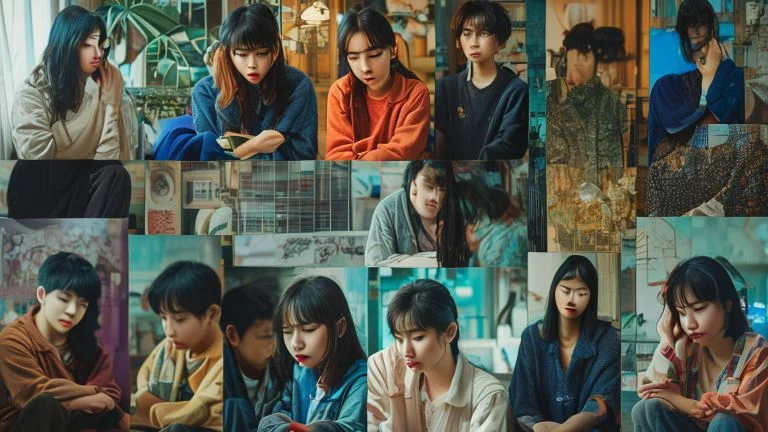
Doramas, a term commonly used to describe Asian television dramas, particularly those produced in Japan, South Korea, and Taiwan, have evolved beyond mere entertainment. They have become powerful storytelling mediums that explore intricate social issues within succinct narrative arcs. Short storylines in doramas, often spanning just a few episodes to a single season, wield the capacity to tackle societal challenges effectively and impactfully. Their condensed format requires precise narrative techniques to spotlight topics such as mental health, gender inequality, bullying, familial conflict, and class disparities. Through relatable characters and emotional engagement, these short narratives provide audiences reflective space to understand social complexities.
The effectiveness of doramas in addressing social issues can be partly attributed to cultural resonance and accessibility. Viewers often find that characters’ struggles mirror their own realities or highlight unfamiliar societal problems from nuanced perspectives. Moreover, doramas’ widespread availability through streaming platforms extends their reach globally, enabling cross-cultural dialogue about social challenges. This global accessibility intensifies the significance of short storylines that deftly pinpoint pressing social matters, sparking conversations and sometimes even influencing social perceptions and behaviors.
In exploring short storylines that address social issues, it is essential to dissect the narrative devices employed, the diverse social themes examined, and the broader cultural implications of such productions. This comprehensive analysis will delve into multiple facets, from thematic focus and storytelling methods to concrete examples, adaptations, and impact measurements.
Thematic Focus of Short Storylines in Doramas Addressing Social Issues
Short storylines in doramas frequently center on social themes that resonate deeply within the contexts of East Asian societies, yet their relevance often transcends geographical boundaries. Among the most commonly explored social issues are mental health awareness, gender roles and feminism, bullying and school harassment, elder care and generational divides, and socioeconomic disparities. Each theme is approached with varying narrative textures and character developments to facilitate engagement and provoke intellectual and emotional responses.
Mental Health Awareness: Doramas that tackle mental health strive to dispel stigmas prevalent in many Asian societies. These narratives often portray characters facing depression, anxiety, or trauma and their journey toward seeking support, challenging cultural taboos surrounding psychological well-being. The brief format requires storytelling to be both sensitive and impactful, conveying depth within limited screen time.
Gender Roles and Feminism: The exploration of gender expectations, patriarchal pressures, and feminist awakening forms the core of various storylines. Short doramas might focus on the female protagonist’s pursuit of autonomy, the confrontation of workplace discrimination, or subversion of traditional gender dynamics. These stories encapsulate evolving societal attitudes and aim to inspire audiences, especially younger viewers, to question established norms.
Bullying and School Harassment: School settings are fertile ground for narratives about bullying, peer pressure, and social exclusion. Short doramas often exhibit intense emotional arcs around victims’ experiences and bystanders’ roles, underscoring the impact of such behavior on youth development and mental health. They sometimes incorporate educational messages, encouraging awareness and preventive measures.
Elder Care and Generational Divides: Given East Asia’s aging populations, doramas addressing elder care challenge viewers to consider familial responsibilities, loneliness, and societal infrastructure for senior citizens. These storylines often illustrate the emotional strain and reconciliation processes between generations, highlighting cultural expectations and evolving family dynamics.
Socioeconomic Disparities: Themes around poverty, class mobility, and economic injustice frequently emerge, depicting struggles with systemic inequality. Short storylines may contrast characters’ backgrounds to expose structural barriers and inspire empathy for the marginalized.
Narrative Techniques and Storytelling Strategies in Short Doramas
Given the brevity of short doramas, their narrative structures must be finely calibrated to achieve emotional resonance and thematic clarity within limited durations. Writers employ focused plotlines with concentrated character arcs to explore social issues without diluting the narrative impact. This often necessitates prioritization of a central conflict directly tied to the social theme, allowing for streamlined storytelling and deeper audience connection.
One prevalent technique is the use of symbolic imagery and metaphor within concise scenes to evoke broader social commentaries. Visual elements become narrative shorthand, enhancing thematic richness without overt exposition. For example, recurring motifs such as broken mirrors or rain may symbolize fractured identity or emotional turmoil, efficiently communicating inner states related to social pressures.
Dialogues are crafted carefully to balance authenticity and thematic purpose. Conversations exert a dual role: they reveal character psychology while simultaneously reflecting societal discourses. In short doramas, scripted dialogue often incorporates social critique through realistic exchanges imbued with subtext, enabling audiences to engage with sensitive topics subtly yet effectively.
Non-linear timelines or episodic flashbacks offer a versatile tool to illustrate causes and consequences of social issues within short frames. Highlighting pivotal past events provides context to present struggles and enriches empathy toward protagonists. Additionally, the integration of multi-perspective storytelling, sometimes juxtaposing victim and perpetrator viewpoints, enhances complexity and avoids one-dimensional portrayals.
Emotional pacing is highly controlled in short storylines, often intensifying during climaxes to emphasize catharsis or moral revelation. This technique ensures themes reach their emotional zenith within limited runtime, leaving a lasting impression. The deliberate avoidance of superfluous subplots keeps focus laser-sharp on the core social issue, a necessity for concise, impactful narratives.
Practical Examples of Short Doramas Addressing Social Issues
Several impactful short doramas exemplify the artful integration of social issues within compelling storylines. Their success often lies in nuanced characterizations and realistic portrayals of societal challenges.
Example 1: "Silent Tears" (4 episodes) – This Japanese mini-series focuses on a high school girl grappling with emotional abuse at home and bullying at school. The narrative meticulously explores the intersection of domestic violence and adolescent mental health, highlighting barriers to seeking help. Each episode delves into a character from a different social perspective, including a school counselor and a peer, to elevate awareness on the subject.
Example 2: "Breaking the Mold" (6 episodes) – A South Korean short drama capturing the struggles of a female corporate employee confronting workplace sexism. The protagonist’s efforts to challenge discriminatory practices, foster solidarity among colleagues, and reclaim her voice employ a linear storyline punctuated by powerful confrontations and small victories. The series has been praised for realistically portraying office culture and igniting discussion on gender equality.
Example 3: "Bridging the Gap" (3 episodes) – A Taiwanese short dorama addressing generational conflict rooted in elder care. The plot centers on a middle-aged man torn between career ambitions and responsibilities toward his aging parents. By juxtaposing tradition with modernity, the storyline unpacks cultural expectations and emotional complexities surrounding aging populations. Brief yet poignant, it underscores the societal need for stronger support systems.
Example 4: "Invisible Scars" (5 episodes) – A Japanese series centering on youth mental health, particularly depression and stigma. Through interconnected vignettes, it portrays diverse characters’ inner battles and paths to recovery, aiming to normalize conversations about mental illness. The short format relies heavily on visual storytelling and mood to convey unspoken struggles, amplifying its emotional effect.
Impact of Short Doramas on Audience Awareness and Social Perception
Short doramas wield a notable influence on audience consciousness and, by extension, social perception. Their focused narratives foster empathy, prompt reflection, and occasionally motivate behavioral change concerning pressing social issues. Viewers often report increased understanding and diminished prejudices after engaging with well-crafted storylines tackling delicate topics.
Television ratings and online streaming analytics reveal that short doramas with social themes often garner robust viewership, particularly among younger demographics. Social media discussions and viewer-generated content frequently expand the conversation beyond the screen, amplifying awareness campaigns linked to the issues portrayed. This amplifying effect illustrates the potential of concise storytelling in shaping public discourse.
Notably, in educational settings, these short dramas have been integrated as supplementary materials to aid discussions about social challenges. Educators find them useful for case study analysis or empathy-building exercises. Such practical applications underscore the format’s pedagogical value and community engagement potential.
To quantify impact, several studies have surveyed audience perceptions pre- and post-exposure to socially charged doramas. Results indicate statistically significant shifts toward increased empathy and willingness to engage with the issues beyond passive observation. Particularly, themes related to mental health and gender discrimination showed measurable improvements in destigmatization.
Table: Comparison of Social Issues Addressed and Narrative Attributes in Selected Short Doramas
| Dorama Title | Episodes | Social Issue | Narrative Technique | Primary Emotional Tone |
|---|---|---|---|---|
| Silent Tears | 4 | Domestic Abuse, Bullying | Multi-perspective, Flashbacks | Melancholic, Hopeful |
| Breaking the Mold | 6 | Workplace Sexism | Linear Progression, Realistic Dialogue | Empowering, Tense |
| Bridging the Gap | 3 | Elder Care, Generational Divide | Juxtaposition, Symbolic Imagery | Reflective, Emotional |
| Invisible Scars | 5 | Mental Health | Vignette Style, Visual Storytelling | Somber, Supportive |
Integrating Short Doramas in Social Awareness Campaigns and Education
Governments, NGOs, and educational institutions recognize the potential of short doramas as tools for social education and awareness. These entities increasingly collaborate with production houses to develop mini-series that align with public campaigns addressing social issues. The compact episodes suit contemporary consumption habits, accommodating busy lifestyles while delivering potent messages.
One strategic application involves pairing short doramas with discussion guides and workshops. This combination enhances comprehension, encouraging participants to analyze narrative elements and relate them to real-world challenges. Such approaches have been implemented in schools where students engage with storylines about bullying or mental health followed by moderated dialogues.
Additionally, social influencers leverage short doramas to generate awareness through content reviews, reactions, and critical commentaries, reaching wider audiences organically. This digital ecosystem magnifies the reach and longevity of social issue narratives embedded within doramas.
The success of these integrations depends on thoughtful production that respects cultural sensitivities while pushing progressive dialogues. High production values, authentic casting, and involvement of subject matter experts underpin credibility, ensuring the message resonates without alienation.
List: Key Benefits of Short Storylines Addressing Social Issues in Doramas
- Concise narratives facilitate focused engagement with complex issues.
- Emotional storytelling promotes empathy and deeper understanding.
- Cultural specificity enhances relatability and authenticity.
- Accessible duration suits modern viewing habits and attention spans.
- Potential to influence social attitudes and reduce stigma.
- Supports educational programs and awareness campaigns.
- Allows diverse perspectives through multi-episode vignettes.
Challenges and Considerations in Producing Short Doramas on Social Issues
While the format is potent, producing short doramas that effectively address social issues presents unique challenges. The limited runtime restricts character and plot development depth, demanding judicious narrative economy without oversimplification. Creators must strike a delicate balance between raising awareness and avoiding sensationalism or didacticism.
Cultural nuances often require careful navigation, especially when sensitive topics intersect with traditional values or taboos. Misrepresentation risks perpetuating stereotypes or alienating segments of the audience. Consequently, extensive research and consultation with experts or affected communities become paramount.
Funding constraints also present obstacles. Short-form projects frequently receive less financial backing compared to longer series or films, potentially impacting production quality. However, innovative storytelling and collaboration with public or nonprofit sectors can alleviate such limitations.
Moreover, impact assessment remains complex. Measuring attitudinal or behavioral change attributable solely to narrative consumption is methodologically difficult. Mixed-method research and longitudinal studies help, but require substantial resources.
Another consideration includes distribution challenges. Although digital platforms facilitate access, algorithms may limit visibility of socially charged content. Strategic promotion and partnerships thus play crucial roles in reaching target audiences effectively.
Step-by-Step Guide to Creating Effective Social Issue Focused Short Doramas
- Define Clear Objectives: Articulate the specific social issue and intended impact on the audience.
- Conduct Thorough Research: Understand the issue’s cultural, psychological, and societal dimensions through expert consultation and literature review.
- Develop Authentic Characters: Create multi-dimensional characters representing diverse perspectives for relatability.
- Craft Concise Storylines: Design a focused plot that highlights the issue without unnecessary subplots.
- Incorporate Symbolism and Visual Metaphors: Use imagery to deepen thematic expression efficiently.
- Ensure Sensitive Portrayal: Avoid stereotypes, stigmatization, or trivialization of the social issue.
- Engage Stakeholders: Collaborate with advocacy groups or affected individuals to enhance authenticity.
- Plan Distribution and Promotion: Target platforms frequented by relevant demographics and partner with influencers where possible.
- Develop Supplementary Materials: Provide discussion guides or educational content to extend engagement.
- Evaluate Impact: Use surveys, focus groups, and analytics to assess effectiveness and inform future projects.
Future Directions and Innovations in Doramas Addressing Social Issues
As storytelling mediums evolve, short doramas are poised to innovate through technological integration and narrative experimentation. Augmented reality (AR) and virtual reality (VR) enhancements promise immersive experiences, deepening audience empathy through interactive engagement in social issue narratives.
Artificial intelligence-driven personalization could tailor storylines to viewer backgrounds or preferences, augmenting relevance and impact. Additionally, transmedia storytelling spreads narratives across multiple platforms and formats – from social media to webtoons to podcasts – widening exposure and engagement opportunities.
Doramas may increasingly adopt collaborative creation models, involving communities affected by social issues in scripting and production, enhancing authenticity and empowerment. Crowdsourcing story ideas or feedback could democratize narrative priorities, reflecting diverse societal voices.
Furthermore, expanding cross-cultural and international co-productions will enhance the universality of social themes while maintaining cultural specificity. This hybrid approach could foster global solidarity on social challenges depicted in short storylines.
The integration of data analytics to gauge real-time audience reactions and adapt storytelling dynamically may become feasible, optimizing emotional and educational effectiveness.
The convergence of these trends suggests a vibrant future where short storylines in doramas continue to serve as vital catalysts for social awareness and change. A short storyline in a dorama typically consists of a concise narrative spread across a limited number of episodes, often ranging from two to six. This format focuses intensely on specific characters and social issues, delivering impactful storytelling within a compact timeframe. Common social issues explored include mental health awareness, gender inequality, bullying and school harassment, elder care and generational conflicts, as well as socioeconomic disparities. They employ focused narratives with clear central conflicts, use symbolism and metaphor, balance authentic dialogue with thematic critique, and utilize storytelling techniques like flashbacks or multiple perspectives to convey depth succinctly. Yes, evidence from viewer surveys and social media engagement suggests that short doramas can enhance empathy, reduce stigma, and prompt conversations that contribute to shifting social perceptions. Challenges include limited runtime for character development, navigating cultural sensitivities, securing sufficient funding, avoiding stereotypes or didacticism, and ensuring broad distribution and audience reach. Indeed, short doramas are increasingly integrated into educational programs as discussion catalysts or case studies, particularly for topics like bullying, mental health, and gender issues. Organizations can partner by providing consultancy, funding, advocacy support, and creating supplementary educational materials that accompany the drama to enhance social impact.FAQ - Short Storylines That Address Social Issues in Doramas
What defines a short storyline in a dorama?
Which social issues are commonly addressed in short doramas?
How do short doramas effectively portray complex social problems?
Can short doramas influence societal attitudes or behaviors?
What challenges do creators face when making socially charged short doramas?
Are short doramas used in educational contexts?
How can social organizations collaborate with dorama productions?
Short storylines in doramas deliver concise, powerful narratives that tackle social issues such as mental health, gender inequality, bullying, elder care, and socioeconomic disparities, effectively raising awareness and fostering empathy through culturally resonant storytelling.
Short storylines in doramas serve as concentrated, emotionally compelling vehicles for exploring and raising awareness about critical social issues. Their narrative precision, cultural authenticity, and wide accessibility position them as influential contributors to social discourse and education. Despite production challenges, their evolving formats and integration into campaigns augment their societal value, highlighting a significant media approach to social understanding and change.
